inside sources print logo
Get up-to-date news in your inbox

Regardless of a SCOTUS Decision, Iowa Lawmakers Feel Enough Support to Act on Fantasy Sports Legislation
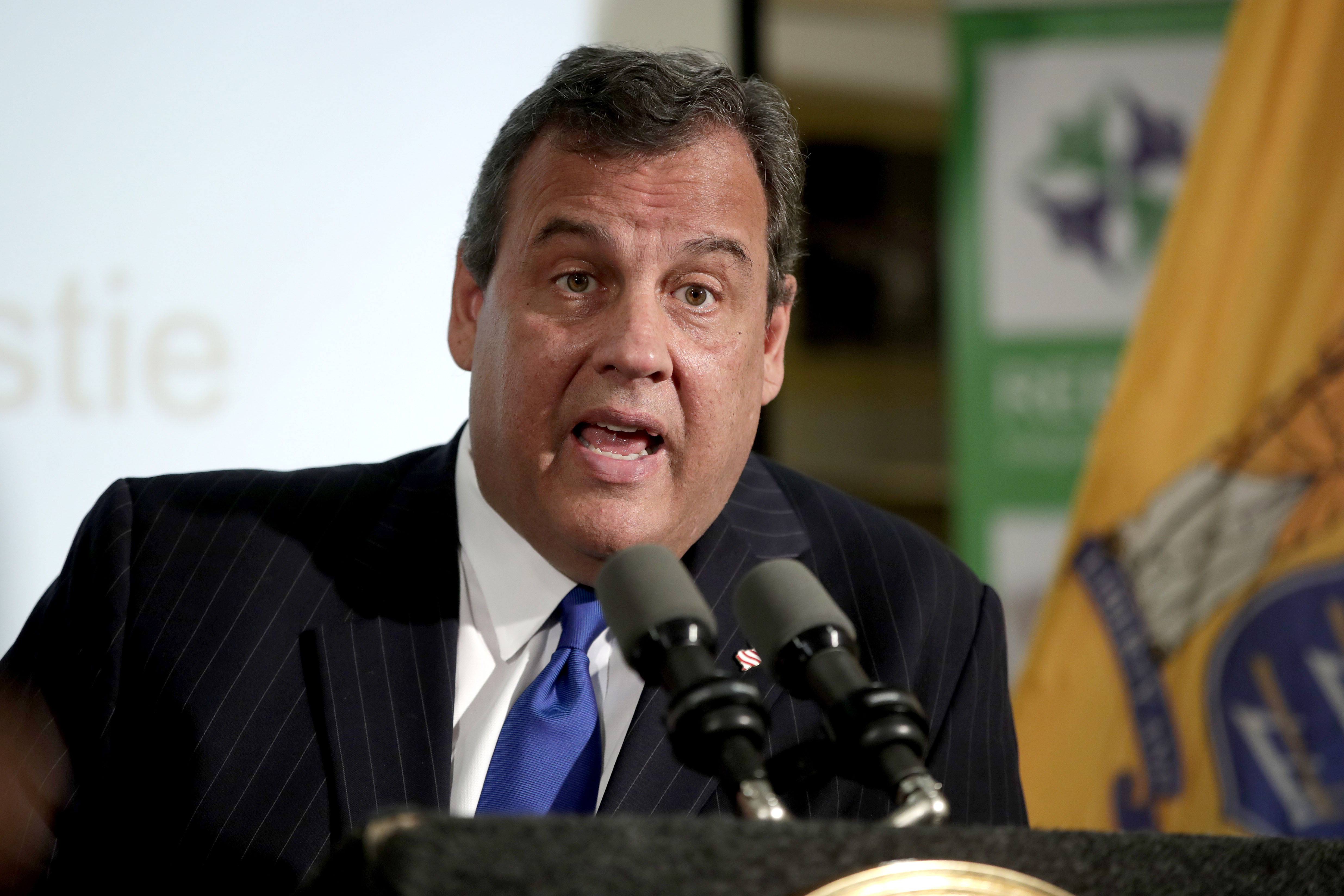
This week, the Supreme Court of the United States (SCOTUS) heard a case challenging the 1992 Professional and Amateur Sports Protection Act (PASPA), which bans sports gambling in all but four states (Delaware, Montana, Nevada, and Oregon).

The case, Christie v. NCAA (featuring New Jersey Governor Chris Christie) is between New Jersey and members of the state’s horse-racing industry, against the National Collegiate Athletics Association (NCAA), the National Basketball Association (NBA), the National Football League (NFL), the National Hockey League (NHL), and Major League Baseball (MLB). New Jersey challenges that the PASPA violates the 10th amendment in requiring states to enforce a federal law. The NCAA and other sports organizations have argued that PASPA is constitutional in that it doesn’t require states to do anything, rather the law just bars them from allowing sports gambling.

Should SCOTUS rule in favor of New Jersey, voiding the regulations of PASPA, then all states in the U.S. then become eligible to allow sports gambling.

“The numbers are that $150 billion is spent annually in this country on sports [betting],” said Wes Ehrecke, president of the Iowa Gaming Association (IGA), which represents 19 Iowa regulated casinos and a lottery. “Only 5 percent of that is done legally, in Nevada. New Jersey really initiated this in that [the law] is unconstitutional, and that states should have the right to opt-in and offer something like this [sports betting].”

According to the American Gaming Association (AGA), an organization in favor of legalized sports gambling throughout the U.S, $150 billion is spent on illegal gambling, annually. As a figure for perspective, the AGA states that $4.1 billion was illegally gambled on Super Bowl 50 alone. AGA estimated that approximately $90 billion was be spent on NFL and college football matches in 2016.

According to a 2016 report commissioned by IGA, legal gambling at Iowa’s 19 casinos led to $403.3 million dollars paid by casinos to local, county, and state taxes. A total of 2,120 charitable grants were given by Iowa casinos — equaling more than $8.4 million — for community improvements in counties without casinos. All casinos accounted for 21.7 million visitors in 2016.

“We think if we get it in a more regulated structure, of 21 and over,” Ehrecke said, “you can guarantee you’re going to get paid, so that for our state coffers — which we’re kind of tight in a budget situation — we can indicate that there will be some revenue. We don’t know how much, but there will be revenue down the road in two-to-three years from now, and that’s something that can benefit the state as well.”

In preparation of SCOTUS’ decision, to come late spring, early summer, Ehrecke said that IGA is in the process of getting its member groups on board to support drafting legislation that would allow for sports gambling in Iowa. Ehrecke dubbed the legislation as “place-holder” legislation, that if passed in the upcoming 2018 legislative session, would automatically go into effect, should SCOTUS rule in favor of New Jersey. Ehrecke said that IGA and its members would prefer not to wait an entire year after the ruling to begin drafting legislation allowing sports gambling in Iowa.

As to whether or not Ehrecke feels that Iowa legislators are behind the possibility of legalized sports gambling, he expressed he’s heard opinions from all positions.

“Some have been very positive in their response, others want to see what a bill would look like,” Ehrecke said, “and others are probably more reserved, maybe luke-warm, but respectfully, they oppose gaming on moral or religious grounds and we respect that. We’ve heard concerns that we’re just expanding gambling. No. It exists already. We’re just trying to make it more regulated and with good standards and integrity, and we do respect others who are luke-warm, but we have also had some favorable responses as well, very positive.”

Representative Ken Rizer (R-District 68) and Chair of the House’s State Government Committee said that he wasn’t sure about legalized sports gambling, regardless of a SCOTUS decision.

“I think that’s something that we’re going to have to wait and see on,” Rizer said. “I think there’s enough support for fantasy sports betting, but I think the jury is still out on whether or not Iowans will support full sports betting.”

Back in 2015, the Iowa legislature did consider whether or not to allow Daily Fantasy Football under its laws, but after bi-partisan passage of the bill occurred in the Senate, the bill died in the House. Rizer explained that the reason the bill died was because there was a lot of attention dedicated to passing priority legislation during that session.

Senator Jeff Danielson (D-District 30), a member of the Senate’s State Government Committee believed the House’s objection in 2015 was primarily about the morals of gambling.

“There are many [opinions],” Danielson said, “but primarily I believe they are moral objections to the idea of gambling, no matter what the definition is, sports betting, fantasy, lottery, you name it, they see it all as morally objectionable. Or at least they have enough members that will vote that way, therefore no bill passes.”

Danielson explained that Iowa is unique in its laws surrounding gambling, and supports Iowa’s legal foundation to regulate the gaming industry. Under Iowa law, unless the legislature “expressly authorizes” activities that resemble gambling or social gambling, then they are illegal.

Danielson also believes that the competitive marketplace of gambling resulted in the lobbying against the authorization of fantasy sports.

“I believe the Iowa casinos have lobbied against the authorization of fantasy sports because they see that as a direct competitor to their land based casinos,” Danielson said. “I completely disagree with the evidence of their argument, but they get to go make that case in the House and I think that’s been picked up successfully, unfortunately.”

When it comes to whether or not the Senate State Government Committee will plan for legalizing sports gambling contingent on a favorable SCOTUS decision, Danielson believes that eventually, the federal laws that affect e-commerce as it relates to sports gambling are going to be overturned through the courts, because of the way in which Americans now accept fantasy sports and sports gaming.

He is not quite of the belief that SCOTUS will rule to allow more states to be eligible to allow sports gambling, based on the ideologies of Congress and members of the Supreme Court. During arguments heard on Monday, some reported that at least five justices appeared in favor of New Jersey. Either way, he said that what could be brought to Iowa is the authority to participate in fantasy sports.

“Sports betting has been mainly controlled by loosely written, I believe, unconstitutional federal statutes that gave a monopoly to four states, who under their language could do sports betting and no other state can even come close to approaching it,” Danielson said, “or they will be under the scrutiny of the federal law. Fantasy sports, as a federal law, has kept a hands-off approach and rightfully so, and you’ve seen 45 states all have fantasy sports including daily fantasy.”

When asked if there is enough support for the House to pass a measure authorizing fantasy sports, Rizer said that the bill is still alive and is to be considered this upcoming year.

“I believe [we will consider it],” Rizer said. “There’s been good support for fantasy sports betting in the State of Iowa.”
What Is New Hampshire’s Role in Trump’s New Presidential Opioid Commission?

There’s a new presidential opioid commission in town, but drug policy experts remain skeptical about its mission and effectiveness. It also appears that New Hampshire does not have a seat at the table, for now at least.

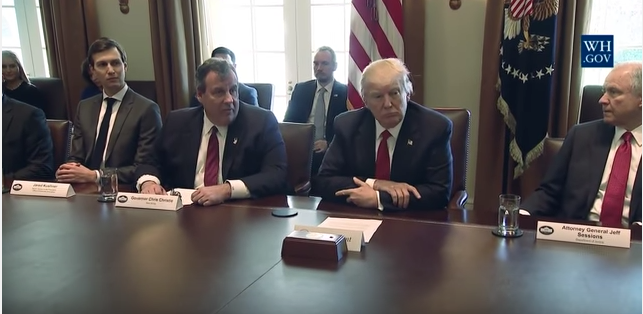
The President’s Commission on Combating Drug Addiction and the Opioid Crisis was announced Wednesday when President Donald Trump signed the executive order laying out its blueprint. It will be chaired by New Jersey Gov. Chris Christie, who has made the opioid crisis a priority as governor, and will study appropriate steps for lawmakers and federal officials to take to combat the epidemic.

“This is an epidemic that knows no boundaries and shows no mercy, and we will show great compassion and resolve as we work together on this important issue,” Trump said.

The panel’s mission would be to identify federal funding streams that could be directed to address the crisis, determine the best practices for prevention and recovery, evaluate federal programs and the U.S. health system to identify regulatory barriers or ineffective initiatives like prescribing practices, and consider changes to the criminal justice system.

More than 52,000 Americans died from a drug overdose in 2015 — up from 47,000 in the previous year — according to the U.S. Centers for Disease Control, and nearly two-thirds of those deaths involved an opioid.

The commission would make interim recommendations within 90 days of its establishment along with a final report in October. The agencies involved would be expected to take actions implementing those policies.

The commission would be composed of Attorney General Jeff Sessions, Health and Human Services (HHS) Secretary Tom Price, Veterans Affairs Secretary David Shulkin, and Defense Secretary James Mattis. Another five members from state governments, law enforcement, and other groups would finish it. Massachusetts Republican Gov. Charlie Baker and North Carolina Democratic Gov. Roy Cooper are reportedly set to sit on the panel.

When the commission was announced, a spokesman for New Hampshire Republican Gov. Chris Sununu told NH1 News that he “doesn’t have a formal role with the commission.”

If that stands, it would be an interesting position from the White House. The Granite State has the second-highest overdose deaths in the country. While Massachusetts has also been devastated by the opioid crisis, Baker did not support Trump in the 2016 presidential election and Governor John Sununu never once wavered from his support for Trump.

There was also no one from New Hampshire taking part in the listening session at the White House when they announced the commission. None of New Hampshire’s Democratic congressional delegation took part in the session.

That’s worth noting because Trump and Christie as presidential candidates often discussed the opioid crisis during their campaign visits in New Hampshire.

“A wall will not only keep out dangerous cartels and criminals, but it will also keep out the drugs and heroin poisoning our youth,” Trump said in a stop in the Granite State in October.

However, drug policy experts are concerned that Trump is focusing on just the criminal justice side of the crisis, and not enough on treatment and prevention.

“We don’t yet fully know what the Trump policy towards the opioid crisis will be,” said Leo Beletsky,a law professor at Northeastern University who specializes in health and drug policy, in an interview with NH Journal.

“During the campaign, he made statements supporting treatment access and focusing on interdiction at the US-Mexico border,” he added. ‘Since the election, we have heard much about the ‘Wall,’ other interdiction efforts, and criminal justice tools to combat the crisis, but not so much about the treatment issue.”

Other advocates are frustrated with actions the Trump administration has already taken that could actually worsen the crisis.

The Office for National Drug Control Policy (ONDCP) would support the commission, and the office’s director — known as the “drug czar” — would represent the president. Yet, the ONDCP post is still unfilled, despite reports that former U.S. Rep. Frank Guinta of New Hampshire was being considered for the job.

A new spending plan reported last week would cut the Substance Abuse and Mental Health Services Administration’s mental health block grant by $100 million in 2017. Trump’s proposed 2018 budget for HHS would cut the agency’s funding by nearly 20 percent.

Beletsky was also concerned about Sessions being involved in the commission due his skepticism about treatment and favoring a punishment system to handle the opioid crisis.

“Further, Jeff Sessions is a long-time adherent to the idea that we can arrest and punish our way out of substance misuse in this country — an idea that has been a demonstrable failure and one that has frankly brought us to where we are today,” he said.

Several experts also question the value of the commission and how its efforts could be duplicative of actions and groups already in existence.

In November, Surgeon General Vivek Murthy released the office’s first-ever report on opioids and addiction, which included tools and recommendations to combat substance abuse.

There’s also the Bipartisan Task Force for Combating the Heroin Epidemic, which was created in 2015 by Guinta and New Hampshire’s other delegate, Democrat U.S. Rep. Annie Kuster. It’s mission has transformed as the crisis evolved from just heroin to include opioids and fentanyl, but it remains a legislative approach to handling the epidemic.

“The Presidential Commission…appears to be weighed heavily towards a more partisan and more criminal justice-focused approach, in a tone set by the AG,” Beletsky said. “As far as I know, there is not one public health expert on the Commission, which is as clear signal as any that Obama Administration’s mantras of ‘public health approach’ and ‘we can’t arrest our way out of this problem’ will not find much support in this group.”

Kuster appeared supportive of Trump’s efforts to tackle the opioid crisis and create a presidential commission, but cautioned against repealing parts of the Affordable Care Act that provide support for individuals seeking substance abuse treatment.

“We also know that there is not enough capacity for those seeking treatment, and I was pleased to see that part of the Commission’s mission will be to assess the availability of substance use treatment and recovery services,” she said in a statement. “I look forward to working with the Commission and discussing how the Bipartisan Heroin Task Force can be a productive partner in the House of Representatives to advance policies to address the opioid addiction crisis.”

Follow Kyle on Twitter.

Sign up for NH Journal’s must-read morning political newsletter.

Christie Quits, and 2016 Loses Its Most Affecting Political Storyteller

New Jersey Gov. Chris Christie dropped out of the Republican presidential race Wednesday. After dealing a devastating blow to Florida Sen. Marco Rubio in Saturday’s debate, the governor earned just 7 percent of the vote in Tuesday’s New Hampshire primary. He finished 3 percentage points ahead of former Hewlett-Packard CEO Carly Fiorina, who ended her campaign as well.

It remains to be seen which of Christie’s rivals benefit from his departure — or if he’ll endorse one of them. But the presidential campaign has clearly lost its most affecting political storyteller, a man who’s taught a master class in the power of emotional anecdotes since becoming the Garden State’s governor in 2010.

Here are three examples of the governor at his most captivating, regaling audiences at town hall meetings. Look closely. There are even a few people wiping away tears.

On fighting drug addiction: “I’m pro-life for the whole life.”

On trust and candor: “There’s nothing left unsaid between us.”

On what voters should imagine as they enter the voting booth:

Follow Graham on Twitter

More Cyber Monday Shoppers Will Pay Online Sales Tax than Ever Before This Year

As Americans click to Cyber Monday sales across the web, more of them will be subject to online sales tax than ever before this holiday season, as websites, states and presidential candidates all push for sales tax in the digital domain.

That’s in large part due to efforts over the last year by Amazon.com — the No. 1 online retailer in the Internet Retailer 2014 Top 500 Guide, and the ninth-largest retailer in the U.S. overall according to the National Retail Federation, with $49 billion in sales last year.

In February Amazon added Illinois to its then-list of 24 states where the site collects and remits state sales tax — leaving only Ohio and Michigan of the U.S.’s 10 most-populous states off the list. Ohio followed Illinois in May, and Michigan in October, wrapping the largest state populations into the online sales tax fold in time for the biggest online shopping day of the year Monday.

As a result of Amazon’s sales tax collection in Arizona, Indiana, Minnesota, Ohio, West Virginia, California, Kansas, Nevada, Pennsylvania, Wisconsin, Connecticut, Kentucky, New Jersey, Tennessee, Florida, Maryland, New York, Texas, Georgia, Massachusetts, North Carolina, Virginia, Illinois, Michigan, North Dakota and Washington, more than 80 percent of Americans are now subject to their state’s sales tax when they buy online from Amazon.

A number of the above-named states and more have or are considering laws mandating online retailers without a physical presence in their states collect and remit sales tax to state governments — an attempt to collect revenue state legislators claim they’re entitled to, while leveling the playing field between brick-and-mortar and online retailers.

Though the Supreme Court sought to settle the issue in 1992 by ruling in Quill v. North Dakota that retailers without a physical presence in a given state weren’t required to collect sales tax, states like Colorado have since adopted legislative loopholes around Quill. In the Centennial State, online retailers must report their sales and send the results to the state and consumers, after which the state taxed buyers directly (the law has since been suspended pending a court challenge).

Much of the uncertainty stems from years-long stagnation on the issue in Congress, where lawmakers disagree on whether to apply sales tax to online transactions, and how to do so. In one camp, lawmakers led by Virginia Republican and House Judiciary Chairman Bob Goodlatte want to tax consumers based on the location of the seller, the revenue from which would be divided up by a multi-state clearinghouse.

Legislators lining up behind Utah Republican and House Oversight Chairman Jason Chaffetz want taxes to be based on where the buyer lives via the Remote Transactions Parity Act — the method adopted by the Senate in 2013 via the Marketplace Fairness Act, passed under then pro-online sales tax Majority Leader Harry Reid.

Current Majority Leader Mitch McConnell and other anti-tax conservatives oppose any online sales tax, as did former Speaker of the House John Boehner, whose home state of Ohio is pushing to use revenue collected from online sales tax to offset other tax cuts — a measure 2016 Republican presidential contender and current Ohio Gov. John Kasich signed off on as part of the state’s two-year budget in 2013.

The University of Cincinnati’s Economics Center said Ohio lost $200 million in tax revenue from online sales in 2011, while the California Board of Equalization found the Golden State collected $96.4 million in tax revenue during its first quarter of collections in 2011.

Newly-elected Speaker Paul Ryan’s home state of Wisconsin will do the same, according to former 2016 Republican presidential candidate and current Wisconsin Gov. Scott Walker, who said the tax would bring in an additional $95 million in revenue to offset Wisconsinites’ income taxes. While chairman of the House Ways and Means Committee in 2013, Ryan himself said he supported the “concept” of online sales tax, but not the Senate’s take on it.

Two other Republican White House contenders, New Jersey Gov. Chris Christie and former Florida Gov. Jeb Bush, have endorsed some form of online sales tax, with the latter bringing it to the national stage during a conference call with the National Federation of Independent Business members last week.

“A solution that recognizes that the Internet is here to stay and that there is an increasing disparity, and so long as its not used to raise revenue for governments that parity would make sense,” Bush said. “I think there’s just a compelling argument to be made. It may not have been as compelling 10 years ago when Internet sales were significantly lower, but now it’s an increasing part of the sales mix and brick-and-mortar companies, businesses do have significant role in our communities.”

Follow Giuseppe on Twitter

The Cybersecurity and Surveillance Questions Nobody is Asking 2016 GOPers, Part 1

Republicans are already two debates deep into the 2016 primary field, and though candidates have staked out a number of positions on foreign and domestic policy, many are still elusive on some of the most rapidly growing threats at home and abroad — surveillance and cybersecurity.

Wonks at the national security law and policy forum Just Security agree, that’s why they posted “Six National Security Questions Presidential Candidates Should Have to Answer,” this week — an effort aimed at sparking in-depth debate about national security in 2016, which has thus far “been reduced not only to generalized sound bites, but to preposterous caricatures of complex and multifaceted legal and policy issues,” according to Steve Vladeck, co-editor-in-chief.

So far, Vladeck contends, candidates prefer “to distance themselves from their competitors on more politically sexy topics, like who will defund Planned Parenthood faster, or whose mom will look better on the $10 bill.”

Included in those questions are three focused more narrowly on surveillance and cybersecurity — issues that have grown in relevance since the leak of massive, and in some cases unconstitutional, National Security Agency surveillance programs, and hacks of crucial government data related to cybersecurity, like at the Office of Personnel Management.

As the post points out, many candidates on the crowded GOP field have yet to lay any foundation within their platform on any of those issues, but others have — particularly those with a tech background or in Congress, where new bills on surveillance, data and cyber policy pop up almost daily.

The first question asks candidates to weigh in on the most high profile example of such legislation — the USA Freedom Act, passed earlier this summer to shut down NSA’s collection of virtually all Americans’ landline telephone records, and replace it with a system in which telephone providers store the records and mandate NSA get a court order to search for specific metadata.

RELATED: Senate Passes USA Freedom Act

“In your view, does the USA Freedom Act strike the right balance between the government’s need to engage in terrorism-related foreign intelligence surveillance and privacy and civil liberties considerations? With section 702 set to sunset in December 2017, what conditions, if any, would you seek to place on congressional reauthorization of that authority? As president, what other reforms — either expanding or constraining the government’s surveillance authorities — would you pursue?”

Texas Sen. Ted Cruz was the only candidate to vote for passage of the Freedom Act, and said in June the bill “strikes the right balance between protecting our privacy rights and our national security interests.” South Carolina Sen. Lindsey Graham abstained from voting over concerns the bill threatened the privacy of Americans’ phone records, now “in the hands of the phone company with hundreds of people available to look at the records versus 20 or 30 people in the government.”

“So I think the [metadata] program has been undermined in terms of the Freedom Act, and quite frankly, we’ve told the enemy so much about it, I’m not sure it works anymore,” Graham said after the vote.

Florida Sen. Marco Rubio voted against the bill, saying it would “absolutely” restrain NSA’s ability to track terrorists.

“I’m always sensitive to protecting people’s privacy expectations and privacy rights, but I’m also concerned about eroding our capability to gather actionable intelligence that allows us to prevent attacks and take on our enemies,” Rubio, who sits on the Senate Intelligence Committee, said last year.

Kentucky Sen. Rand Paul voted nay over concerns the bill didn’t go far enough in protecting civil liberties.

“I have fought for several years now to end the illegal spying of the NSA on ordinary Americans,” Paul said before stalling the chamber into shutting down the program at the end of May. “The callous use of general warrants and the disregard for the Bill of Rights must end.”

Paul and New Jersey Gov. Chris Christie spent a portion of the first debate disagreeing over the move, with Christie asserting the NSA needs the program to find probable cause for surveilling terrorist suspects.

“You know, when you’re sitting in a subcommittee just blowing hot air about this, you can say things like that,” Christie said on Fox. “When you’re responsible for protecting the lives of the American people, then what you need to do is to make sure you use the system the way it’s supposed to work,” the governor said, adding “there’s not one step within the law that I wouldn’t take to prevent the killing of one American.”

RELATED: Christie: NSA Can’t Get a Warrant Without Surveilling for Probable Cause First

During her tenure at HP Carly Fiorina helped then-NSA Director Michael Hayden begin building the mass surveillance apparatus that would eventually leak via a cadre of NSA whistleblowers, and served as chairman of the CIA’s advisory board — a role she described as a “privilege.”

In June Fiorina told Fox’s Andrew Napolitano she would “somewhat” dial back NSA’s surveillance powers if elected president, and cited the Freedom Act as a successful example of “dialing back” the signals intelligence agency’s scope and authority.

Fiorina went on to call the phone company storage provision a “bad idea” and the law overall a “hodgepodge that doesn’t satisfy anybody.”

Former Florida Gov. Jeb Bush has expressed unwavering support for the intelligence community, and NSA in particular, since the Snowden leaks in 2013. Ahead of the vote in June, Bush said Paul was “wrong” to claim people’s rights were being violated under Section 215 of the Patriot Act.

“I think we need to reauthorize the Patriot Act, and put aside who’s speaking where,” Bush said in May. “The simple fact is that it’s been an effective tool to keep us free and to keep us from being attacked by Islamic terrorists.”

In a cyber-focused policy proposal dropped last week, Bush said it was time to stop “demonizing” members of the intelligence community charged with protecting U.S. interests online, and in August, said the balance between privacy and security was shifting the “wrong way” as a result of encryption products agencies can’t get around for surveillance.

RELATED: Bush Says He’s Willing to Do What Obama Won’t on Cybersecurity

He later added there was “no evidence” to suggest Americans’ civil liberties had been violated by the Patriot Act.

None of the candidates have staked out specific positions related to Section 702 of the FISA Amendments Act, which allows the government to collect the content (rather than just metadata) of Americans’ online communications when they’re swept up during the surveillance of foreign targets on overseas Internet infrastructure, but one could reasonably expect many of them to fall along lines similar to Section 215.

Follow Giuseppe on Twitter

Christie: NSA Can’t Get a Warrant Without Surveilling for Probable Cause First

New Jersey governor and presidential contender Chris Christie shot back at critics of his hawkish national security policy Thursday, defending National Security Agency bulk data collection and attacking 2016 rival Rand Paul for his stance against surveillance practices adopted in the wake of 9/11.

“The problem with Senator Paul is that he’s never done this, and he doesn’t understand it,” Christie told Fox News’ Greta Van Susteren during “On the Record” Thursday. “When he makes the ridiculous statement that, ‘I want to take more from terrorists and less from innocent people,’ — how do you know Greta? And then he yells, ‘Go get a search warrant.’ Well, that’s not the way it works.”

Paul made the statement in response to a question about national security and surveillance in preventing terrorism during Fox’s first 2016 GOP primary debate last week, which set off a scrap with Christie.

“I want to collect more records from terrorists, but less records from innocent Americans,” Paul said. “The Fourth Amendment was what we fought the Revolution over. John Adams said it was the spark that led to our independence, and I’m proud of standing for the Bill of Rights, and I will continue to stand for the Bill of Rights.”

“That’s a completely ridiculous answer,” Christie cut in to Fox’s Megyn Kelly. “‘I want to collect more records from terrorists but less records from other people.’ How are you supposed to know, Megyn?”

“Use the Fourth Amendment. Get a warrant!” Paul countered. “Get a judge to sign the warrant!”

“Listen senator,” Christie continued. “You know, when you’re sitting in a subcommittee just blowing hot air about this, you can say things like that. When you’re responsible for protecting the lives of the American people, then what you need to do is to make sure you use the system the way it’s supposed to work.”

Paul went on to say he doesn’t trust the president with Americans’ phone records, and accused Christie of “fundamentally” misunderstanding the Bill of Rights. Christie chastised Paul for playing politics with a national security issue during the Senate vote in May to adopt the USA Freedom Act NSA reform bill, and “cutting speeches on the floor of the Senate” and  “putting them on the Internet within half an hour to raise money for your campaign and while still putting your country at risk.”

RELATED: Senate Passes USA Freedom Act

When asked why he couldn’t get a search warrant, Christie told Van Susteren “if you don’t have probable cause, you can’t get a search warrant.”

“Let’s remember something — we had in, pre-9/11, we had folks over here who had no apparent terrorist ties, but were getting phone calls from people who did have terrorist ties from out of the country. If we had had the NSA program then, we very well could have matched those phone numbers up, that would have been — given us probable cause to go after the folks who were here in the country before 9/11.”

“I don’t know if that would have prevented 9/11, but it would have given us a much better chance than the one we had,” Christie continued. “Senator Paul doesn’t understand this because when you’re in Congress — and this is why the American people have no respect for Congress — they don’t have to do anything. They’re not responsible for anything. I was the U.S. Attorney post-9/11, and I was responsible for protecting the lives of our citizens. When you have that responsibility, I’ll tell you this, as president of the United States, there’s not one step within the law that I wouldn’t take to prevent the killing of one American. And that’s the difference between me and Senator Paul.”

Fox’s own senior judicial analyst and former New Jersey Superior Court Judge Andrew Napolitano went after Christie in a Thursday op-ed over the governor’s debate comments, and said Christie’s stance flies in the face of the Fourth Amendment, which Paul interprets correctly.

RELATED: Napolitano: There’s Only One Pro-Fourth Amendment GOP Candidate, and It’s Not Chris Christie

“Christie advocated an approach more radical than the president’s when he argued with Paul during the debate last week,” Napolitano wrote Thursday. “He actually said that in order to acquire probable cause, the feds need to listen to everyone’s phone calls and read everyone’s emails first.”

“He effectively argued that the feds need to break into a house first to see what evidence they can find there so as to present that evidence to a judge and get a search warrant to enter the house.”

Napolitano went on to dub Paul the only candidate in the GOP field to take a stand on the strict constitutional application of the law.

“He is not against all spying,” Napolitano wrote. “Just against spying on all of us.”

Follow Giuseppe on Twitter

Napolitano: There’s Only One Pro-Fourth Amendment GOP Candidate, and It’s Not Chris Christie

The 2016 Republican presidential primary field isn’t short on personalities, diversity or policy, ranging from wonky financial sector reforms to headlining issues like immigration — but there’s only one candidate who cares about Americans’ basic constitutional protections, according to former New Jersey Superior Court Judge Andrew Napolitano, and it’s definitely not fellow Newark native Gov. Chris Christie.

In an op-ed for Fox Thursday the network’s senior judicial analyst recalled a searing exchange between the New Jersey governor and Kentucky Republican Sen. Rand Paul during last week’s first GOP presidential primary debate on the network.

Moderator Megyn Kelly lit the fuse connecting the two with a question about national security and anti-terrorism government surveillance for the libertarian Paul, whom the hawkish Christie blasted earlier this year for acting irresponsibly in regard to national security during the debate in Congress over passage of the USA Freedom Act National Security Agency reform bill.

RELATED: Senate Passes USA Freedom Act

“I want to collect more records from terrorists, but less records from innocent Americans,” Paul said. “The Fourth Amendment was what we fought the Revolution over. John Adams said it was the spark that led to our independence, and I’m proud of standing for the Bill of Rights, and I will continue to stand for the Bill of Rights.”

“That’s a completely ridiculous answer,” Christie cut in. “‘I want to collect more records from terrorists but less records from other people.’ How are you supposed to know, Megyn?”

“Use the Fourth Amendment. Get a warrant!” Paul countered. “Get a judge to sign the warrant!”

“Listen senator,” Christie continued. “You know, when you’re sitting in a subcommittee just blowing hot air about this, you can say things like that. When you’re responsible for protecting the lives of the American people, then what you need to do is to make sure you use the system the way it’s supposed to work.”

Paul said he doesn’t “trust President Obama” with Americans’ phone records, and accused Christie of “fundamentally” misunderstanding the Bill of Rights.

According to Napolitano, Christie not only misunderstands Americans’ Fourth Amendment right to privacy, he supports policies in flagrant violation of it.

“Christie advocated an approach more radical than the president’s when he argued with Paul during the debate last week,” Napolitano wrote Thursday. “He actually said that in order to acquire probable cause, the feds need to listen to everyone’s phone calls and read everyone’s emails first.”

“He effectively argued that the feds need to break into a house first to see what evidence they can find there so as to present that evidence to a judge and get a search warrant to enter the house.”

Napolitano added such an argument “would have made Joe Stalin happy,” but “flunks American Criminal Procedure 101,” which requires law enforcement to submit evidence of probable cause to obtain a search warrant against those suspected of breaking the law — not freely sift through all Americans’ legally protected records for potential evidence of a crime to investigate later.

“Christie wants the feds to use a fish net,” Napolitano wrote. “Paul argues that the Constitution requires the feds to use a fish hook.”

The former judge said Christie’s philosophy — and that of the the previous two administrations’ Justice Departments — brings “back a system the founders and the framers hated” and “fought a war to be rid of,” recalling the general warrants issued by a secret court in Britain under the direction of the king, dispatching spies to the colonies looking for proof colonists were paying the king’s taxes.

Through the Foreign Intelligence Surveillance Court, the Patriot Act and even the newly minted USA Freedom Act, the federal government has grown far too reliant on general warrants of need, according to Napolitano, which facilitate the NSA and other agencies’ ability to “read whatever emails, listen to whatever phone calls in real time, and capture whatever text messages, monthly bank statements, credit card bills, legal or medical records it wishes merely by telling a secret court in Washington, D.C., that it needs them.”

“Christie rejects the plain meaning of the Constitution, as well as the arguments of the framers, and he ignores the lessons of history,” Napolitano said. “The idea that the government must break the law in order to enforce it or violate the Constitution in order to preserve it is the stuff of tyrannies, not free people.”

Napolitano isn’t the only judge to think so. The Second U.S. Circuit Court of Appeals ruled in May Section 215 of the Patriot Act does not permit the bulk collection of Americans’ landline telephone records.

RELATED: Can the Senate Renew the Patriot Act After It Was Ruled Illegal?

“Among the current presidential candidates, only Paul has expressed an understanding of this and has advocated for fidelity to the Constitution,” Napolitano wrote. “He is not against all spying, just against spying on all of us.”

“The remaining presidential candidates — the Republicans and Hillary Clinton — prefer the unconstitutional governmental need standard, as does President Obama.”

Follow Giuseppe on Twitter

Here’s What You Won’t Hear at Thursday’s Debate — Because These Candidates Won’t Be Allowed on Stage

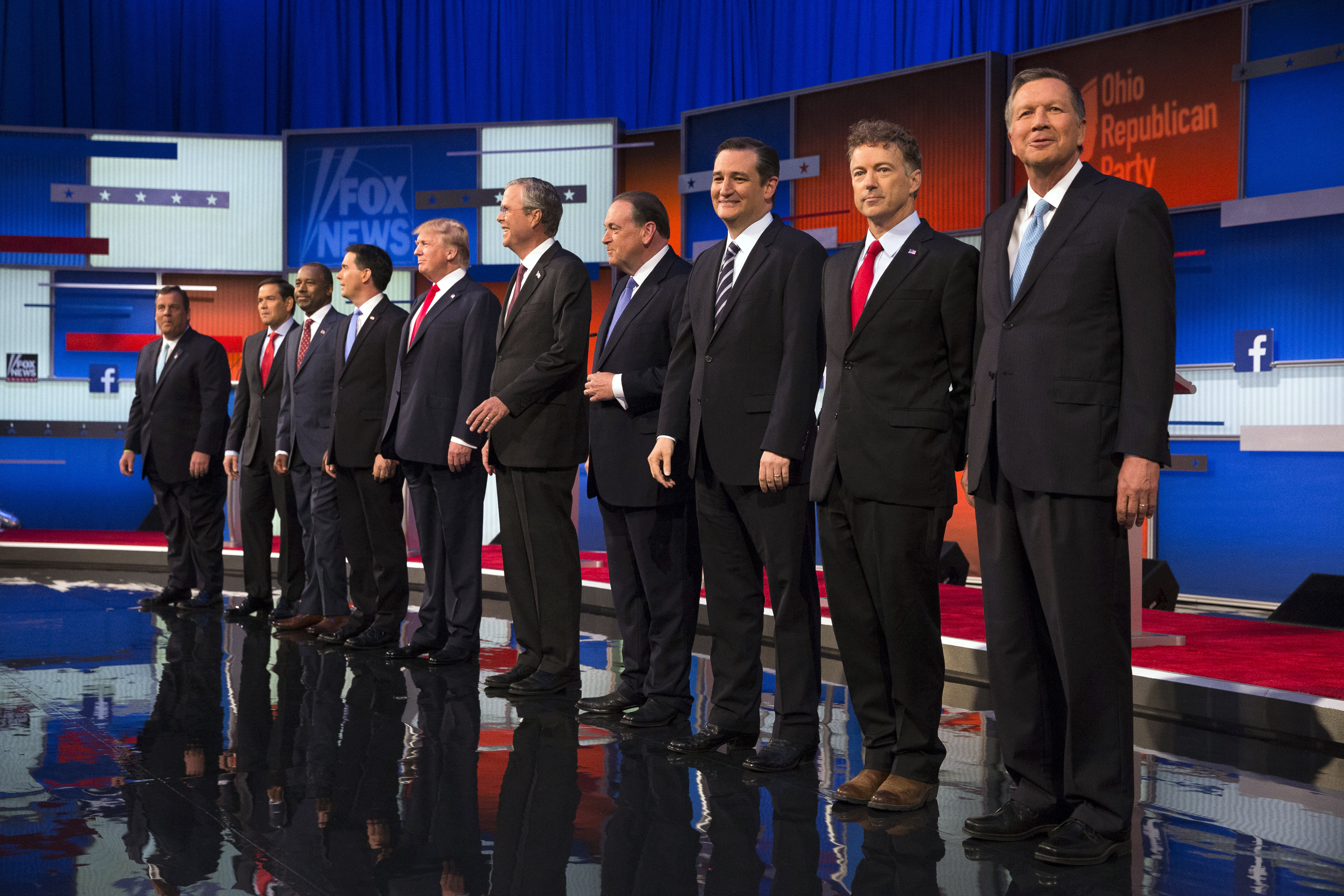
Fox News announced late Tuesday the roster for the first of six Republican presidential primary debates set to narrow the crowded 17-candidate lineup between now and 2016, with polling heavy hitters Donald Trump, Jeb Bush, Scott Walker and others taking the first ten spots on stage Thursday night.

Texas Sen. Ted Cruz, Kentucky Sen. Rand Paul, Florida Sen. Marco Rubio, New Jersey Gov. Chris Christie, Ohio Gov. John Kasich, former Arkansas Gov. Mike Huckabee and retired neurosurgeon Ben Carson round out the rest of Thursday’s roll call.

But that doesn’t mean they’re the only candidates worth hearing from, especially when taking into account the slim margin of error that separates the majority of candidates — most of whom reside in the single digits — in polls used to finalize the lineup.

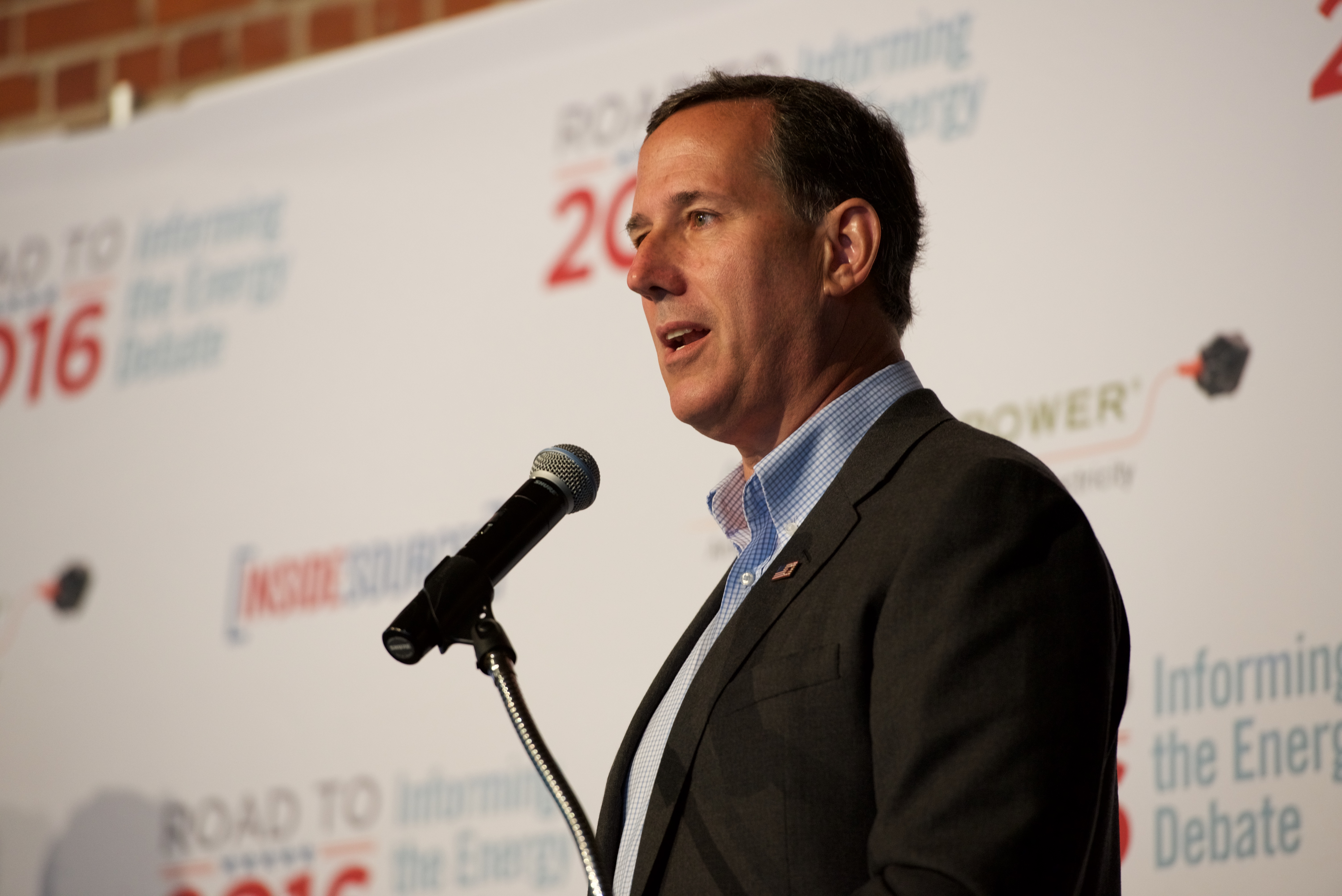
Louisiana Gov. Bobby Jindal, former Texas Gov. Rick Perry, South Carolina Sen. Lindsey Graham, former Hewlett-Packard CEO Carly Fiorina, former Pennsylvania Sen. Rick Santorum, former New York Gov. George Pataki and former Virginia Gov. Jim Gilmore didn’t make the cut, and will instead were invited to a pre-debate forum Thursday, where they’ll try to cover lost ground by expanding on issues separating them from the frontrunners.

Fiorina in particular has used her outlier status to position herself as the most viable and only female Republican contender capable of taking on Democratic frontrunner Hillary Clinton.

“Here’s the thing, in order to beat Hillary Clinton, or whoever their nominee turns out to be, we have to have a nominee on our side who is going to throw every punch because this is a fight,” Fiorina said during a forum with 13 other Republican candidates Monday. “It’s a fight for the future of this nation, it’s a fight for the character of this nation and, unfortunately we know that sometimes the right questions don’t get asked in a presidential debate.”

Fiorina, who has also painted herself as the most tech-savvy candidate in the 2016 GOP field, followed up her criticism of Clinton’s tenure at the State Department, particularly in regard to the 2012 attack on the U.S. consulate in Benghazi, on MSNBC’s Morning Joe Wednesday.

“Technology is a great tool that can be used to re-engage citizens in the process of the government,” Fiorina said. “It’s also a weapon that is being used against us, as we know, from all the data breaches from the Chinese. And Hillary Clinton, of course, doesn’t understand that technology well enough to know that her server has most assuredly been hacked because Secret Service Agents can’t protect it from being hacked.”

Fiorina isn’t the only underdog to set her sights on Democrats instead of fellow Republicans. Graham took time Monday to highlight his long tenure in Congress as evidence the South Carolina senator knows how to fight the leading Democratic political dynasty.

“As to the Clintons, I’ve been dealing with this crowd for 20 years. I’m fluent in Clinton-speak. You want me to translate that? When Bill says, ‘I didn’t have sex with that woman,’ he did,” Graham said in reference to former President’s Clinton’s affair with ex-White House intern Monica Lewinsky.

“When she says, ‘I’ll tell you about building the pipeline when I get to be president,’ it means she won’t,” Graham said of Hillary Clinton. “And when she tells us, ‘Trust me, you’ve got all the emails that you need,’ we haven’t even scratched the surface. So I understand this crowd, and I can beat them. And if we can’t beat them it doesn’t matter.”

Perry meanwhile has taken up a cause similar to some financially-focused Democratic wonks like Vermont Sen. Bernie Sanders and Massachusetts Sen. Elizabeth Warren, using a speech in New York last week as an opportunity to lay out his ideas for Wall Street reforms aimed at averting another financial crisis.

“If we want to truly end ‘too big to fail,’ we need to restore market forces to banking, where failure is not rewarded or bailed out,” Perry said at the Yale Club in Manhattan last week, adding Americans “were screwed” in the wake of the housing crisis and left feeling “that the game is rigged.”

Perry’s ideas include separating banks’ commercial lending and investment sectors and requiring them to hold more capital against leverages, two factors widely regarded among economists as significant drivers of the crisis, and major tenants of Warren and Sen. John McCain’s proposal to re-institute Glass-Steagall — the legislation implemented after the Great Depression and repealed in 1990s that imposed separation between investment securities and commercial lending.

Jindal became the first Republican in field to take significant action against Planned Parenthood this week over videos alleging the organization is illegally profiting from the sale of fetal tissue. The Louisiana governor cut off Medicaid funding to the women’s health organization Monday, the same day Republicans in Congress tried unsuccessfully to advance a bill doing the same.

“Planned Parenthood does not represent the values of the people of Louisiana and shows a fundamental disrespect for human life,” Jindal said in a statement. “It has become clear that this is not an organization that is worthy of receiving public assistance from the state.”

Jindal also showed up for Monday’s forum, where he called on fellow candidates to unite against Democrats instead of dismantling one another.

“I’m so tired of this president and the left trying to divide us,” Jindal said. “We’re all Americans. We’re not hyphenated Americans.”

The Santorum camp responded to Tuesday’s lineup announcement with an attack on Fox and the Republican National Committee, both of whom “should not be picking winners and losers,” according to the campaign.

“That’s the job of the voters,” Santorum’s campaign communications manager Matt Beynon said in a statement. “The idea that they have left out the runner-up for the 2012 nomination, the former four-term governor of Texas, the governor of Louisiana, the first female Fortune 50 CEO, and the three-term Senator from South Carolina due to polling seven months before a single vote is cast is preposterous.”

Thursday’s 9 p.m. ET debate will be preceded by a 5 p.m. forum featuring the remaining candidates.

Follow Giuseppe on Twitter